Storm & Snowmelt Flood Cleanup in Buffalo, NY
Floodwater pumped out and homes dried after Buffalo lake-effect storms and spring thaws, with local water damage crews reaching the metro fast, day or night.
☎ (716) 454-3793Tap to call the 24/7 Buffalo dispatch line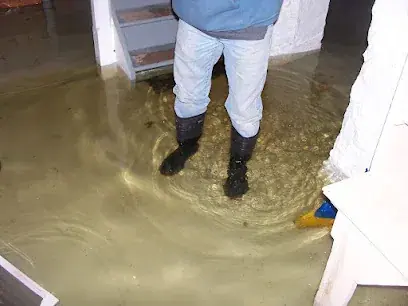
Buffalo sits in the path of Lake Erie's worst weather, and a single lake-effect storm or a fast spring thaw can push surface water into a house in a matter of hours. Buffalo water damage pros answer live 24/7 and reach the metro fast to pump out floodwater, extract what soaked in, and dry the structure before it warps and molds. The crew works the low ground of the city every storm season, from the Valley and South Buffalo to Riverside and the waterfront.
How Buffalo storms flood a home
Storm and snowmelt flooding is surface water, meaning it comes at the house from outside and finds the lowest way in. That is a different problem from a burst pipe, and it usually hits several homes on a street at once.
- Wind-driven rain from a Lake Erie storm overwhelming grading, window wells, and downspouts.
- Rapid spring thaw and snowmelt running off frozen ground straight into low-lying basements.
- Heavy rain arriving faster than aging combined sewers can carry it, backing water up through drains.
- A high water table in South Buffalo, the Valley, and near the waterfront that leaves no place for the water to go.
Ready.gov keeps a plain checklist for a home flood at flood safety, and it is worth reading before the next storm watch.
Water rising in the basement during a storm? Stay out of flooded areas near outlets and the panel, then call. A Buffalo crew responds across the metro, 24/7, to pump out and dry.
☎ Call (716) 454-3793Standing water and safety first
Floodwater is not clean water. Storm and snowmelt flooding picks up soil, road runoff, and often sewer backup on the way in, so it should be treated as contaminated from the start. Do not wade into a flooded basement where outlets, the furnace, or the electrical panel are underwater, and keep children and pets clear. Once power is safe, the crew gets high-volume pumps and truck-mounted extractors on the water fast, because the longer it sits the deeper it wicks into drywall, subfloor, and stored belongings. A storm flood that stands overnight can turn a cleanup into a rebuild, so speed is the whole game. The CDC keeps useful guidance on flood water and health for cleanup after a storm, and the crews arrive in protective gear so contaminated water is handled the right way from the first hour.
Getting the water out is only half the job
Pumping the basement dry is the visible part. The water that soaked into the block, the subfloor, and the bottom of the walls is what keeps the space damp and grows mold, so real storm cleanup means drying the structure to a moisture reading, not just clearing the puddle.
What WNY Restoration does on-site
The crew pumps out standing water, extracts what soaked in, and sets air movers and dehumidifiers to pull moisture out of the block, subfloor, and lower walls, then confirms with meters before calling it dry. Because most Buffalo losses are below grade, storm flooding usually overlaps with the basement flooding cleanup, and when the storm knocked out or overwhelmed the pump the sump-pump failure cleanup crew handles that side. The core pump-out and dry-out is the water extraction and removal work. If you want to know your odds before the next storm, the freeze and basement risk tool gives a quick read. The crew documents the storm date and damage for your claim, and coverage depends on your policy, so it is worth checking with your own insurer.
How storm is handled in Buffalo
Call & dispatch
The response team answers 24/7, and the nearest Buffalo crew heads out with truck-mounted pumps, air movers, and moisture meters.
On-site assessment
The crew traces the source and the full reach of the water, including what soaked into subfloor, drywall, and wall cavities.
Extract & dry
The extraction crew pulls the standing water, then runs air movers and LGR dehumidifiers to a verified dry standard, not just the surface.
Verify & document
Moisture readings are logged until the structure is dry, then the loss is documented with the photos and daily readings an adjuster needs.
Why Buffalo calls the local water pros first
Rapid local response
The response team answers 24/7, and the nearest Buffalo crew heads out the moment you call, any hour, any block.
IICRC S500 drying standard
Trained crews with truck-mounted pumps, air movers, and moisture meters who dry to a verified standard, not a mop and a shop vac.
Claim-ready documentation
The loss is documented with photos and daily moisture readings, the paperwork an adjuster needs to move a claim.
Local Buffalo water experts
Old cellars, stone foundations, ice dams, and lake-effect thaws, so the local pros know how water moves in a Buffalo home.
Coverage across every Buffalo neighborhood
The response team covers the city and the Northtowns and Southtowns, day or night.
Buffalo water damage pros cover the whole metro, day or night, with rapid local response.
Coverage runs across North Buffalo, the West Side, South Buffalo, Kenmore, Tonawanda, Amherst, Williamsville, Cheektowaga, West Seneca, Lackawanna, and every Buffalo neighborhood.
See every neighborhood and ZIP covered ›Related restoration services
Buffalo water damage questions, answered
Is storm floodwater dangerous to clean up myself?
Yes, it should be treated as contaminated because it carries soil, road runoff, and often sewer backup. Never enter a flooded basement where outlets, the furnace, or the panel are underwater. It is safer to keep people and pets clear and let a crew pump it out with the right gear and protection.
How fast can you get here?
Buffalo water damage pros answer live 24/7 and reach the metro fast, and the crew staffs up ahead of known storm and thaw events. The faster the water comes out, the less it wicks into drywall, subfloor, and belongings.
How much does storm flood cleanup cost in Buffalo?
It depends on how deep the water was, how contaminated it is, and how much soaked-in material has to be dried or removed. The crew assesses on-site and documents everything for your claim. Where the loss is covered, the documentation is built to move your claim, so it is worth checking your own policy.
Does homeowners insurance cover storm and snowmelt flooding?
It varies. Surface flooding that enters from outside is often excluded from a standard homeowners policy and may need separate flood coverage, while a related sewer backup can fall under a backup endorsement. The crew documents the cause and source carefully so your carrier and adjuster have what they need to make the call.
Why does my street flood every big storm?
Much of Buffalo sits on low ground with a high water table, and the older combined sewers can fill faster than they drain in heavy rain or a rapid thaw. That is why a single storm often floods several homes on a block at once, usually in below-grade basements.
Do you remove ruined belongings and debris?
Yes. The crew extracts the water, removes flood-soaked materials that cannot be saved such as wet carpet pad and cardboard, and documents them for your claim first. Then the crew dries the structure that stays so the basement is not left damp under new materials.
Can you dry the basement without tearing everything out?
Often yes, if the crew reaches it quickly. The crew aims to save finished walls and floors by drying the assembly with air movers and dehumidifiers, but sewer-contaminated or long-standing water may require removing the affected materials for health reasons. The crew makes that call based on the water type and how long it sat.
Should I wait to see if it dries on its own?
No. A basement that looks dry on the surface can stay wet in the block and subfloor for weeks, which is exactly what grows mold and rots framing. Getting air movers and dehumidifiers in early is what keeps a storm flood from becoming a much bigger repair.
Buffalo's water damage crew is standing by
Water sitting means damage growing. Call WNY Restoration and a Buffalo crew heads out, day or night.
(716) 454-3793Tap to call, a local person answers 24/7