Water Extraction & Removal in Buffalo, NY
Standing water pumped out and every wet surface mapped, with local water damage crews reaching the Buffalo metro.
☎ (716) 454-3793Tap to call the 24/7 Buffalo dispatch line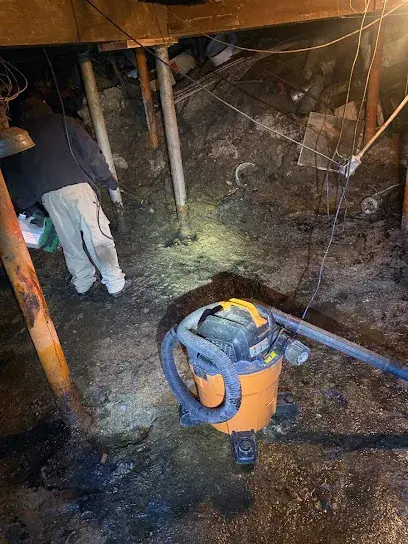
When water is standing in your Buffalo home, extraction is the front door of the whole recovery. Buffalo water damage pros answer live 24/7 and reach the metro fast from North Buffalo and Elmwood Village out to Kenmore, Tonawanda, and Cheektowaga. The extraction crew pumps out the standing water first, then maps every wet surface so nothing is left behind to keep soaking in.
What emergency water extraction covers
Extraction is the fast, physical removal of water before it spreads into floors, walls, and below-grade spaces. The sooner the water is gone, the less of your home has to be dried, opened, or replaced later.
- Truck-mounted extractors and submersible pumps clear deep standing water from basements and utility rooms.
- Portable wands and wet vacuums pull water out of carpet, pad, and hard flooring on the main floors.
- The crew lifts and blocks furniture, pulls soaked pad where needed, and moves contents out of the wet zone.
- Every visit starts with a safety check for power near water and an assessment of the water class, clean, gray, or black.
If the water came up through a floor drain or carries sewage, the sewage and black-water cleanup team handles the contaminated category with the right protection and disinfection.
Water rising in the basement right now? Cut power to the area only if you can reach the panel safely, then call. A Buffalo crew responds across the metro, 24/7, to pump out and start drying.
☎ Call (716) 454-3793Why the wet area is mapped before the crew walks away
Pumping out the puddle is only half the job. Water wicks sideways into drywall, sill plates, and subfloor, and that hidden moisture is what rots framing and lets mold start within a day or two. The crew uses moisture meters and thermal imaging to trace the true edge of the wet area, so drying targets the water you cannot see.
From the readings the crew builds a moisture map and a drying plan, then hands it to the structural drying and dehumidification crew. You can get a rough idea of the timeline yourself with the drying-time estimator before the crew arrives.
The water you can see is the easy part
By the time a floor looks dry, moisture has usually already moved into the wall cavity and subfloor. Extraction plus a real moisture map is what stops a quick cleanup from turning into a gut job weeks later.
Why Buffalo basements take the first hit
Around 85 percent of Buffalo homes have a basement, and the water table runs high in South Buffalo, the Valley, and near the waterfront, so below-grade space is where most local losses land. Spring snowmelt and rapid thaw send water against old stone foundations, and heavy Lake Erie storms overwhelm downspouts and drains fast. When the basement fills, the basement flooding cleanup crew works the below-grade side while extraction clears the standing water. The National Weather Service office in Buffalo posts local flood watches at the NWS Buffalo page worth checking before a big thaw.
Insurance and what to document
Most homeowners policies cover a sudden and accidental water loss, and prompt extraction helps your claim as much as it protects your home. The loss is recorded the way adjusters expect, with dated photos, moisture readings, and a written scope, the paperwork an adjuster looks for. Coverage depends on your policy, so it is worth checking with your own insurer. To size a loss before you file, try the water damage cost calculator. For plain first steps during a home water emergency, Ready.gov keeps a helpful flood safety guide.
How water extraction is handled in Buffalo
Call & dispatch
The response team answers 24/7, and the nearest Buffalo crew heads out with truck-mounted pumps, air movers, and moisture meters.
On-site assessment
The crew traces the source and the full reach of the water, including what soaked into subfloor, drywall, and wall cavities.
Extract & dry
The extraction crew pulls the standing water, then runs air movers and LGR dehumidifiers to a verified dry standard, not just the surface.
Verify & document
Moisture readings are logged until the structure is dry, then the loss is documented with the photos and daily readings an adjuster needs.
Why Buffalo calls the local water pros first
Rapid local response
The response team answers 24/7, and the nearest Buffalo crew heads out the moment you call, any hour, any block.
IICRC S500 drying standard
Trained crews with truck-mounted pumps, air movers, and moisture meters who dry to a verified standard, not a mop and a shop vac.
Claim-ready documentation
The loss is documented with photos and daily moisture readings, the paperwork an adjuster needs to move a claim.
Local Buffalo water experts
Old cellars, stone foundations, ice dams, and lake-effect thaws, so the local pros know how water moves in a Buffalo home.
Coverage across every Buffalo neighborhood
The response team covers the city and the Northtowns and Southtowns, day or night.
Buffalo water damage pros cover the whole metro, day or night, with rapid local response.
Coverage runs across North Buffalo, the West Side, South Buffalo, Kenmore, Tonawanda, Amherst, Williamsville, Cheektowaga, West Seneca, Lackawanna, and every Buffalo neighborhood.
See every neighborhood and ZIP covered ›Related restoration services
Buffalo water damage questions, answered
What is the first thing I should do when water is standing in my home?
Stop the source if you can find it, and stay out of standing water near outlets or the electrical panel until power to that area is off. Move what you can off the wet floor and take a few photos for your claim. Then call (716) 454-3793 and a crew heads your way.
How fast can you get here?
The crew answers the phone live 24 hours a day and reaches the Buffalo metro, from North Buffalo and Allentown out to Kenmore, Amherst, and West Seneca. The faster the crew extracts, the less water soaks into floors and walls.
How much does water extraction cost in Buffalo?
It depends on how much water there is, how far it spread, and the water class. When the loss is sudden and covered, most homeowners pay only their deductible. The crew assesses on-site, documents for your claim, and you can size a range first with the online cost calculator.
Does insurance cover water extraction?
Usually yes when the water damage is sudden and accidental, which is what most homeowners policies are built to cover. The loss is documented with dated photos, moisture readings, and a written scope, and coverage depends on your policy, so it is worth checking with your own insurer.
Do you only pump the water, or do you dry the house too?
Extraction is the first step, not the whole job. After the crew pumps out the standing water the crew maps the moisture and sets up structural drying so the walls, subfloor, and framing dry out, not just the surface you can see.
Can you get water out of carpet without tearing it up?
Often yes on the main floors. The crew uses extraction wands to pull water from carpet and hard flooring, then dries in place where the pad and subfloor allow. Badly soaked or contaminated pad is removed, but the crew saves what can be dried safely.
What if the water came up through a floor drain?
Water that backs up through a drain is treated as contaminated, or black water, and needs protective gear and disinfection. The sewage and black-water crew handles that category safely rather than treating it like a clean supply-line leak.
Why does Buffalo see so much basement water?
About 85 percent of local homes have basements, and the water table runs high in South Buffalo, the Valley, and near the waterfront. Spring snowmelt, rapid thaw, and heavy Lake Erie storms push water against old stone foundations, so below-grade space is where most losses start.
Buffalo's water damage crew is standing by
Water sitting means damage growing. Call WNY Restoration and a Buffalo crew heads out, day or night.
(716) 454-3793Tap to call, a local person answers 24/7